

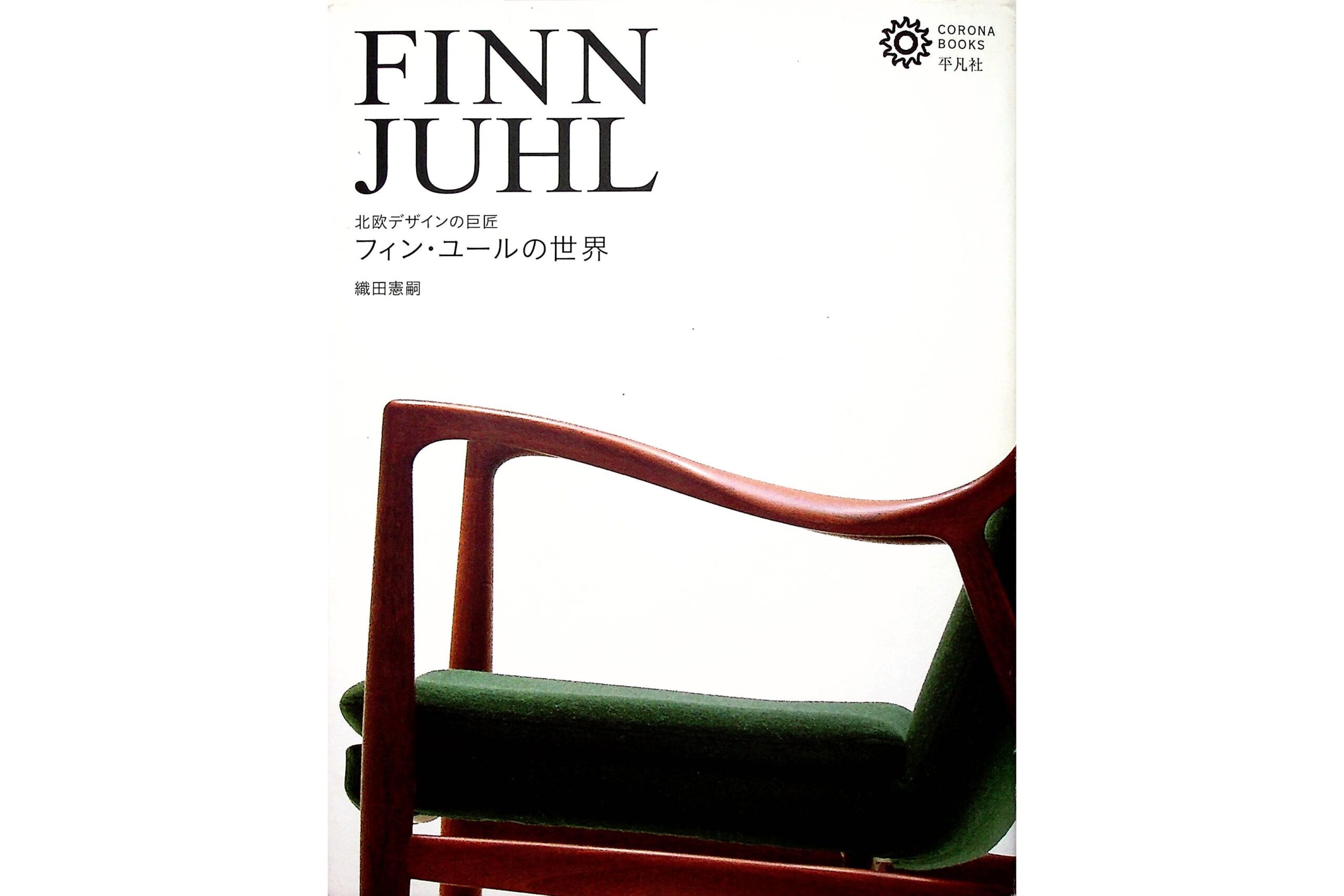
This book introduces Finn Juhl as a true master of Scandinavian design whose creative vision transcended functional beauty. His works range from chairs and interior design to everyday objects, and his sensuous, sculptural forms have often been described as bordering on fine art.
The book explores Juhl’s design philosophy and provides detailed commentary on his major works. His furniture is characterized not only by functionality but also by sculptural expression and a pursuit of free, organic form. Through masterful combinations of wood and other materials, he created graceful curves and meticulous details. One of his most iconic pieces, the No.45 Armchair—often called “the chair with the world’s most beautiful armrests”—creates a floating tension by separating the seat from the frame. Other seminal works, such as the Pelican Chair with its distinctive silhouette and the Chieftain Chair influenced by primitive art, are also presented with insightful analysis. A wide range of sofas, tables, sideboards, and cabinets are featured, each examined through the lens of Juhl’s intentions and aesthetic principles.
Finn Juhl was not only a furniture designer but also an internationally active interior architect. His holistic approach can be seen in large-scale projects such as the Trusteeship Council Chamber at the United Nations Headquarters in New York, the SAS ticket office, and the Wilhelm Hansen bookstore. These commissions highlight how highly he was regarded abroad—especially in the United States—and how his spatial design played a major role in shaping his global reputation.
The book also explores Juhl’s collaborations with key partners. The cabinetmaker Niels Vodder, Juhl’s most important collaborator in his early years, produced many of the masterpieces that established Juhl’s name. Their partnership exemplified the fusion of high craftsmanship and innovative design—an essential theme throughout the book.
In addition, the book introduces Juhl’s own home in Copenhagen, a residence he designed as a complete expression of his architectural and aesthetic vision. The house reveals how he orchestrated furniture, art, and everyday objects into a harmonious environment. Its relationship with the garden, along with Juhl’s refined use of light and color, provides valuable insight into his approach to interior design.
In summary, this book presents a multifaceted and authoritative look into the world of Finn Juhl—his philosophy, his iconic works, his collaborators, and the spaces he created. Through insightful commentary by the author, Noritsugu Oda, readers can experience the depth and imagination of a designer whose influence continues to define Scandinavian modernism.
About
Author
Noritsugu Oda
Publisher
Heibonsha
Size
21.7 × 17 cm (168 pages)
Content
- Introduction
- Finn Juhl and Danish Design
- Kaare Klint and the Foundations of Modern Furniture
- Juhl’s Architectural Development
- Furniture Design and Sculptural Expression
- Achievements of the 1950s
- Interior and Spatial Design
- Furniture Works
- Everyday Products and Object Design
- Finn Juhl’s Home and Daily Life
- Collaborators and Influential Figures
- Exhibitions and Critical Reception
- Chronology
- References
- Afterword
Furniture
Chairs:
Pelican Chair, Bone Chair No.44, Armchair, Armchair No.45, Dining Chair, Stool, Easy Chair, Armchair No.48, Westermann’s Fireside Chair BO-59, Egyptian Chair, Chieftain Chair, Dining Chairs, Easy Chair No.53, Spade Chair No.133, Easy Chairs, Bwana Lounge Chair, Armchairs No.901, Dining Chairs, Armchairs, Swivel Chairs (including high-back), and others.
Tables:
Sofa Tables, Butterfly Table, Coffee Tables, Table No.533, Dining Table, Working Table, Cocktail Tables (large and small), Bench & Table BO-101.
Other Furniture:
Sofas, Prototype Sofas, Wingback Sofa, Sideboard (Diplomat Series), Desk (Diplomat Series), Cabinet (Diplomat Series), Wall System, Double Chest, Additional Custom Pieces.
Sketch / Model Codes:
NV.1940, NV.c.1940s, NV.1943, NV(NA).1946, BO.1946, CB.1946, S.1948, NV.1947, NV.1948, NV.1949, BO.1948–50, SW.1950, SW.1951, NV(BF).1951, NV or BO.1951, SW.1952, FS.1957, NV.1957, FS(HS).1957, FS.1958, FS.1959, NV.c.1950s, FS.c.1959, various codes from the 1950s–60s.
Review
The World of Finn Juhl — Master of Scandinavian Design offers a deep exploration into the remarkable creative world of one of Denmark’s most celebrated designers. Juhl’s work goes far beyond functional beauty, embracing expressive, sculptural forms that appeal directly to human emotion.
Readers will encounter masterpieces such as the No.45 Armchair, the Pelican Chair, and the Chieftain Chair—each presented with detailed commentary that reveals their artistic and structural sophistication. The book traces Juhl’s diverse output, from seating and tables to storage furniture and everyday objects, highlighting the breadth of his vision.
His achievements in interior architecture—most notably the United Nations Trusteeship Council Chamber—underscore his unique ability to design not only furniture but complete spatial experiences. The book also sheds light on his partnership with cabinetmaker Niels Vodder, whose craftsmanship helped realize many of Juhl’s iconic works.
By presenting Juhl’s Copenhagen home, the book offers valuable insight into his holistic approach to design—where furniture, objects, art, light, and space come together in perfect harmony.
Through Noritsugu Oda’s thoughtful analysis, this book reveals the passion, imagination, and rigorous craftsmanship that shaped Finn Juhl’s timeless legacy. Design enthusiasts will find rich inspiration and profound understanding in its pages.