About
Lifespan
1914–1972
Birthplace
Aalborg, Denmark
Manufacturers
FDB Møbler / Fredericia / Fritz Hansen / Carl Hansen & Søn / Karl Andersson & Söner / Søborg Møbler
Story
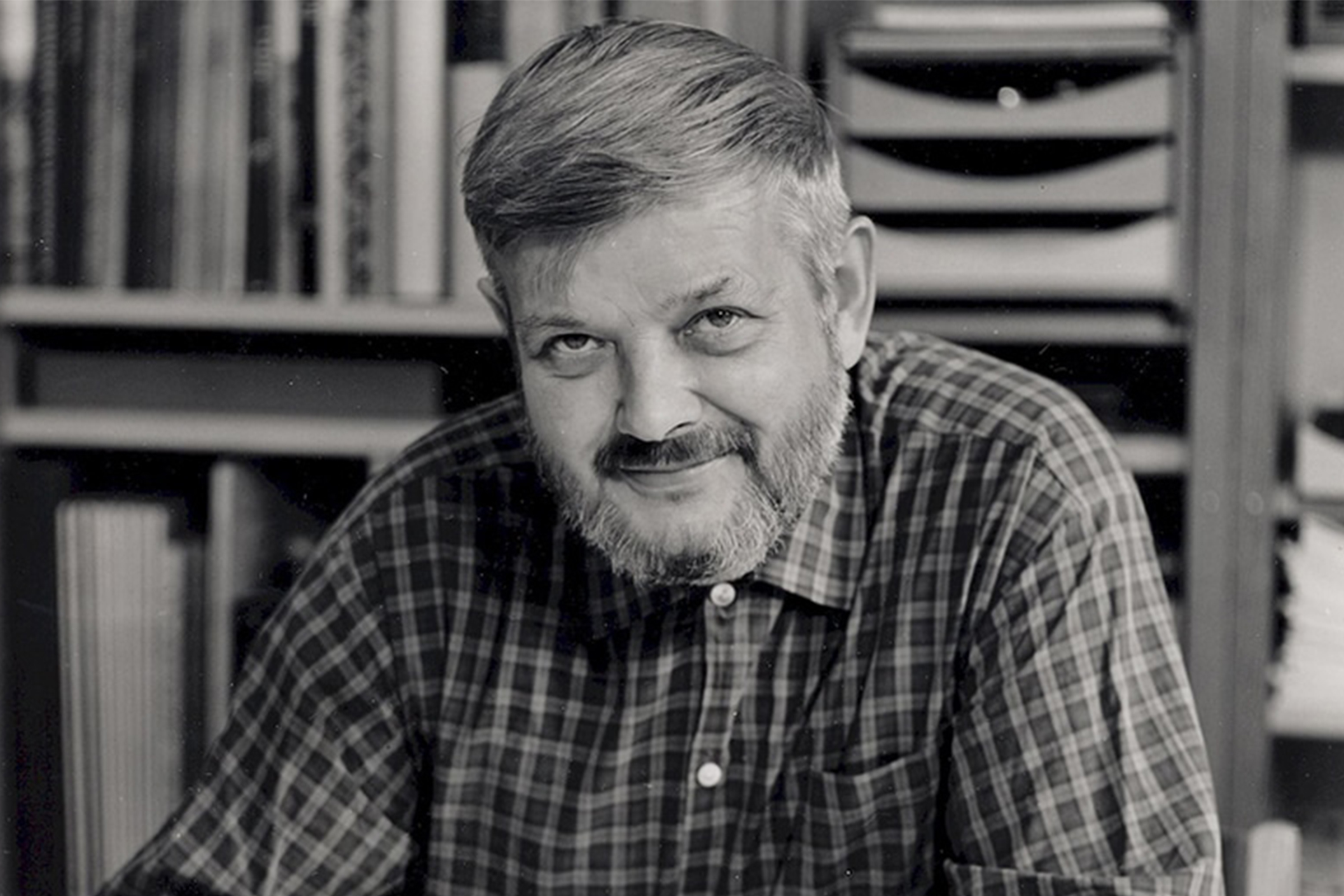
Børge Mogensen (1914–1972) was one of the defining furniture designers of twentieth-century Denmark. He regarded furniture not as sculptural self-expression but as a practical tool for everyday life, and designed a wide range of straightforward, durable chairs, tables, and storage furniture.
After training as a cabinetmaker, Mogensen studied at Copenhagen’s School of Arts and Crafts and the Royal Danish Academy of Fine Arts, where Kaare Klint taught him to analyse furniture through proportion, the human body, use, and historical types. Mogensen inherited this method but made the transfer of cabinetmaking quality into furniture for industrial production—and therefore a wider public—one of his central goals.
From 1942 to 1950 he led FDB’s furniture design office, developing standardized pieces that could work well in limited domestic spaces and remain useful for many years. The J39 Mogensen Chair of 1947, based on the simple logic of Shaker furniture, combines solid wood with a woven seat. Its restrained form and repairable construction clearly express his ambition to create furniture for ordinary life.
After opening his own practice, Mogensen continued to study existing furniture forms—Windsor chairs, Shaker furniture, the British gateleg table, and traditional Spanish chairs—and rebuild them for contemporary life and production rather than simply copy them. The Hunting Chair and Spanish Chair place saddle leather on oak frames; the Mogensen 2213 Sofa combines a lucid wooden structure with leather upholstery. In these designs, the way materials deepen and improve through use is part of the design itself.
In Boligens Byggeskabe, developed with Grethe Meyer, Mogensen measured clothing and tableware and considered storage as a system connected to architecture. From 1955 he worked closely with Andreas Graversen, developing the body of furniture that became fundamental to Fredericia. His consistent effort to organize use, dimensions, materials, and manufacturing into a coherent order continues to communicate his idea of furniture that fits quietly into everyday life and can be used across generations.
History & Works
1914 — Born on April 13 in Aalborg.
1934 — Completed his cabinetmaker apprenticeship and qualified as a journeyman.
1936 — Entered Kunsthåndværkerskolen in Copenhagen.
1938 — Continued his studies at the Royal Danish Academy of Fine Arts under Kaare Klint.
1939 — Began exhibiting regularly at the Copenhagen Cabinetmakers’ Guild exhibitions.
1942–1950 — Headed FDB’s furniture design office, developing practical furniture for industrial production.
1945 — Designed the Spoke-Back Sofa, an early expression of the furniture types he would continue to refine.
1947 — Designed the J39 Mogensen Chair and Shaker Table.
1948 — Participated in MoMA’s low-cost furniture competition and investigated moulded plywood construction.
1950 — Opened his own office; designed the Hunting Chair and C64 Shaker Table; received the Eckersberg Medal.
1952 — Designed the J52B, a reinterpretation of the Windsor chair, for FDB.
1953 — Became artistic adviser to C. Olesen/Cotil and worked with textile designer Lis Ahlmann.
1954–1959 — Developed Boligens Byggeskabe with Grethe Meyer, applying systematic measurement to built-in storage.
1955 — Began his long collaboration with Andreas Graversen and Fredericia; designed the No. 1 Sofa and Øresund Series for Karl Andersson & Söner.
1958 — Designed the Spanish Chair and BM61.
1962 — Designed the 2213 Sofa for his own home.
1970 — Designed the Canvas Chair.
1971 — Received the Danish Furniture Prize together with Andreas Graversen.
1972 — Died on October 5 at the age of 58. He was awarded the C.F. Hansen Medal and named an Honorary Royal Designer for Industry.
Furniture
該当する記事がありません。