About
Lifespan
1929–1980
Birthplace
Østervrå, Denmark
Manufacturers
E. Kold Christensen / Fritz Hansen / Rud. Rasmussen / PP Møbler / Carl Hansen & Søn
Story
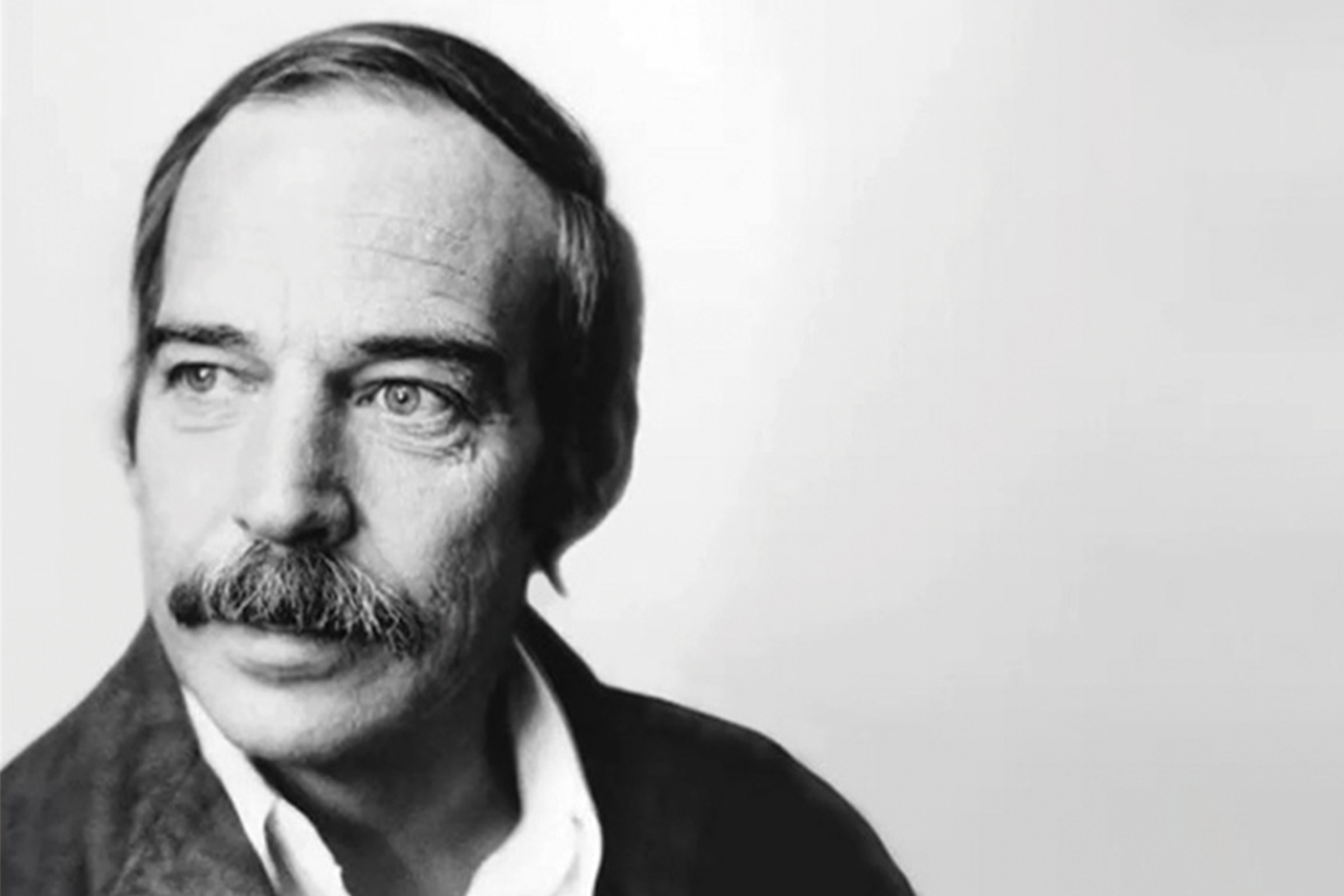
Poul Kjærholm (1929–1980) was a Danish furniture designer, architect, and cabinetmaker. In postwar Danish furniture, which had developed largely around wood, he made steel a primary structural material and created works including PK25, PK22, PK61, PK80, and PK24. Through slender components, lucid construction, and contrasts between materials, he investigated the relationship between furniture and the surrounding space.
Born in Østervrå in northern Jutland, Kjærholm trained as a cabinetmaker in Hjørring and qualified in 1949. He then studied furniture at Kunsthåndværkerskolen in Copenhagen, graduating in 1952. His graduation project, PK25, used a frame formed from a single strip of spring steel and a continuously woven rope seat, reducing both structure and seating surface to a minimum of elements.
After graduation, he worked at Fritz Hansen on prototypes including PK0 and PK4 in moulded plywood. In 1955 he began collaborating with Ejvind Kold Christensen, whose company E. Kold Christensen handled production and sales. Their long-term partnership allowed a coherent collection—including PK22, PK61, PK80, and PK31—to be developed and kept in production.
Kjærholm did not treat steel simply as an industrial material opposed to wood or leather, but as a material with its own light, surface, and finish. Matte spring steel and stainless steel were combined with leather, cane, canvas, wood, glass, and stone, each material given a distinct role. In PK22, a thin steel frame carries the seat and back; in PK61, the supporting structure remains visible beneath a glass or stone top. Rather than hiding joints, he made the way loads are carried part of the form.
His designs were not driven by novelty alone. PK91 revisits the folding stool, PK24 the deck chair, and PK80 the daybed—historic furniture types reconsidered for modern construction. By breaking down familiar types and rebuilding their proportions and structures around the strength of steel and modern precision, Kjærholm remained connected to the analytical tradition of Danish furniture associated with Kaare Klint.
He also considered chairs and tables in relation to floors, walls, light, and surrounding voids rather than as isolated objects. PK80 establishes a low horizontal line, PK61 leaves open space between top and supports, and PK9 places a curved seat on a visible frame, allowing sightlines to pass through and around the furniture. This spatial approach also appears in the interiors of his own home and in his exhibition designs for the Milan Triennale and Expo 67.
Kjærholm also had a long academic career. He joined the furniture school at the Royal Danish Academy of Fine Arts in 1955, became a lektor in 1959, and was appointed professor in 1976. In 1960 he received the Grand Prix for the Danish section of the Milan Triennale and was awarded the Eckersberg Medal. After his death in 1980, the principal collection was transferred to Fritz Hansen in 1982. His ability to unite the precision of industrial materials with a cabinetmaker’s sensitivity, and to think of furniture as an element of space, continues to define his work.
History & Works
1929 — Born on January 8 in Østervrå.
1949 — Completed his cabinetmaker apprenticeship in Hjørring and qualified as a journeyman.
1952 — Graduated from Kunsthåndværkerskolen. Designed PK25 as his graduation project and developed PK0 and PK4 prototypes at Fritz Hansen.
1953 — Married architect Hanne Dam, later Hanne Kjærholm. Taught at Kunsthåndværkerskolen from 1952 to 1956.
1955 — Joined the faculty of the Royal Danish Academy of Fine Arts and began collaborating with Ejvind Kold Christensen. Designed PK1.
1956 — Designed PK22 and PK61. E. Kold Christensen began producing PK25.
1957 — Designed PK80 and received a Grand Prix at the Milan Triennale.
1958 — Participated in Formes Scandinaves in Paris, received the Lunning Prize, and designed PK31.
1959 — Became lektor at the Royal Danish Academy and designed PK33.
1960 — Designed the Danish section of the Milan Triennale, received the Grand Prix and Eckersberg Medal, and designed PK9.
1961 — Designed PK91.
1962 — The Kjærholm house in Rungsted, designed by Hanne Kjærholm, was completed with interiors by Poul Kjærholm. Designed PK12.
1965 — Designed PK24.
1967 — Designed the Danish section at Expo 67 in Montreal.
1968 — Designed PK20 and received the Prix de la Critique in Brno.
1973 — Became head of the Institute for Design and received the ID Prize.
1976 — Appointed professor of architecture, furniture, and interior arts. Designed a folding chair for the Louisiana Museum concert hall.
1977 — Received the annual award of Møbelfabrikantforeningen.
1979 — Designed PK15, his last completed chair.
1980 — Died on April 18 in Hillerød at the age of 51.
1982 — Production by E. Kold Christensen ended and the principal collection transferred to Fritz Hansen; selected works continued with PP Møbler.
Furniture
該当する記事がありません。
References
- Michael Sheridan, The Furniture of Poul Kjærholm: Catalogue Raisonné
- Lex — Poul Kjærholm
- Dansk Biografisk Leksikon — Poul Kjærholm
- Dansk Kvindebiografisk Leksikon — Hanne Kjærholm
- Designmuseum Danmark — The Danish Chair: An International Affair